 Walking tour
Season: Evenings, most of the year
Rothenburg night watchman tour
- Lantern-lit lanes and the life of a medieval town watchman
- Stories of plague, war and the famous Master Draught
Travel guide
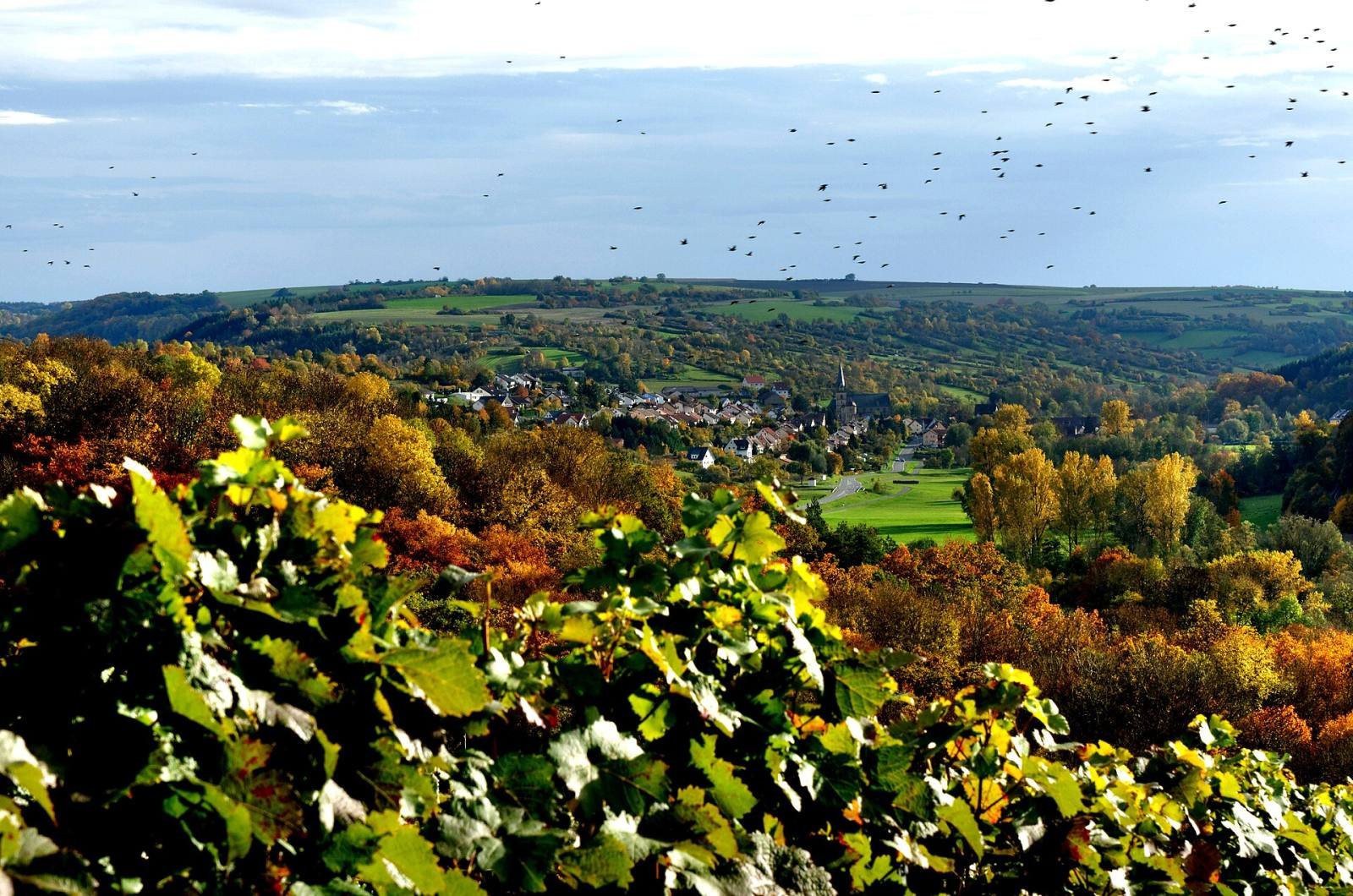
When to go, what the weather is like, festivals through the year, money, safety and what to know before your first visit to Weikersheim and the Tauber valley.
| Location | Tauber valley, Main-Tauber district, Baden-Württemberg, Germany |
|---|---|
| Population | About 7,500 |
| Nearest towns | Bad Mergentheim 11 km, Rothenburg 30 km, Würzburg 45 km |
| Time zone | Central European Time (UTC+1), summer time UTC+2 |
| Currency | Euro (EUR) |
| Airports | Nuremberg (NUE), Stuttgart (STR) and Frankfurt (FRA) |
| Plugs | Types C and F, 230 volts |
| Emergency number | 112 |
The Tauber valley has warm summers and cold winters. May to October is the main season, for the palace garden, cycling and wine.
| Months | What to expect |
|---|---|
| March to May | Fresh and green, with blossom and decorated Easter fountains in many towns. Some sights open for the season around Easter. |
| June to August | Warm days, long evenings, the garden in full flower, wine festivals, open-air theatre and music. |
| September and October | The grape harvest, new wine and onion tart, golden vineyards and quieter towns. A lovely time to visit. |
| November to February | Cold and often grey, with snow some years. Christmas markets in December; some sights have shorter hours. |
Summer days are often 25 °C or warmer, and winters hover around freezing. Rain is possible at any time of year.
The Tauber valley is good value compared with big cities. Cards are widely accepted in hotels, but carry cash for cafés, bakeries, wine taverns and small shops. Service is included in restaurants; most people round up or add a small tip.
Book ahead
Walking tour
Season: Evenings, most of the year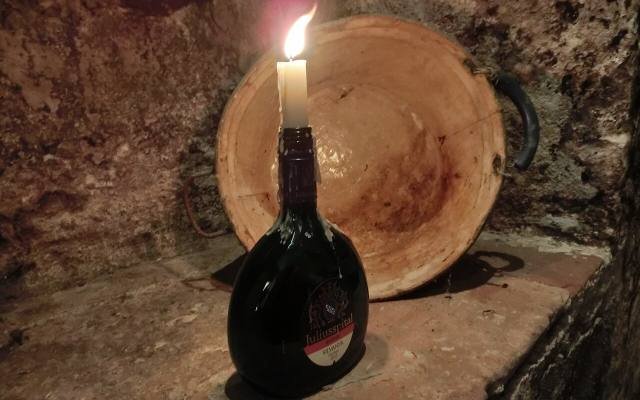 Wine tasting
Season: Year-round
 Palace tour
Season: Year-round
Good to know
Cards are accepted in most hotels and many restaurants, but Germany still likes cash. Carry some euros for cafés, bakeries, small shops, church admissions and wine taverns.
Service is included, but it is usual to round up or add about 5 to 10 percent in restaurants. Tell the server the total you want to pay when you hand over the money.
Almost all shops close on Sundays and public holidays in Germany, apart from some bakeries for a few hours, petrol stations and shops at big stations. Restaurants and museums usually stay open, but many museums close on Mondays.
The flat, round wine bottle used for Franconian wine, from the vineyards around Würzburg and in parts of the Tauber valley. Look for it on wine lists and in wine shops.