 Palace tour
Season: Year-round
Würzburg Residence guided tour
- Balthasar Neumann’s palace, a UNESCO World Heritage Site
- Tiepolo’s huge ceiling fresco above the grand staircase
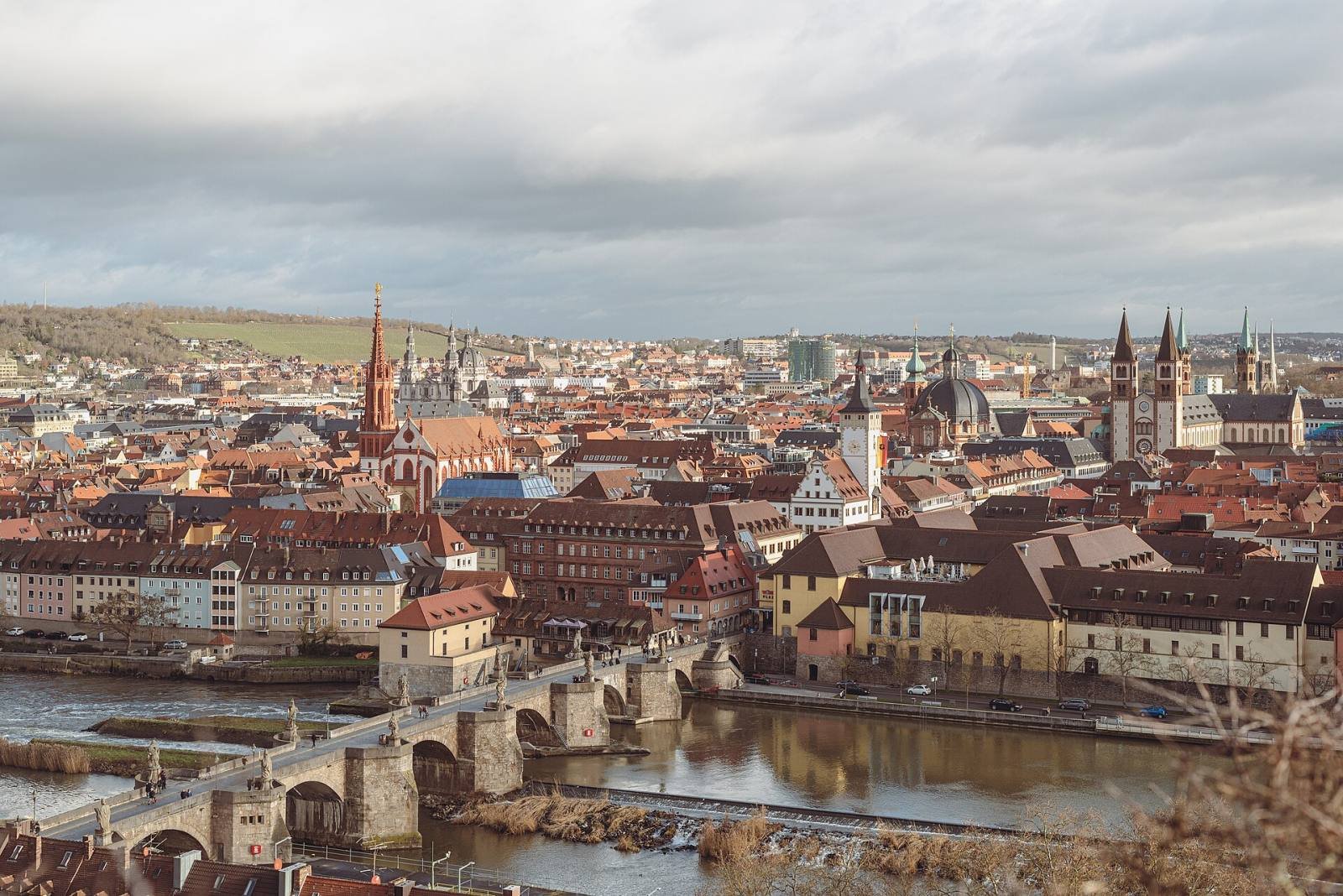
City
Würzburg, about 50 minutes north of Weikersheim, is the capital of Franconian wine and the start of the Romantic Road. The prince-bishops who ruled it left a magnificent Baroque palace, the Residence, and a fortress on the vineyard hill above the Main, and today it is a lively university city with wine taverns on every corner.
For centuries the prince-bishops of Würzburg were among the richest rulers in Germany. In the 18th century they built the Residence, designed by Balthasar Neumann, with a staircase hall crowned by a vast ceiling fresco by the Venetian painter Giambattista Tiepolo. The palace is a UNESCO World Heritage Site. Around it, the old town is full of churches, wine taverns and life.
By car, Würzburg is about 50 minutes north. By train, take the regional train from Weikersheim and change at Lauda, about 1¼ hours in all. The station is a short walk from the old town.
Book ahead
Palace tour
Season: Year-round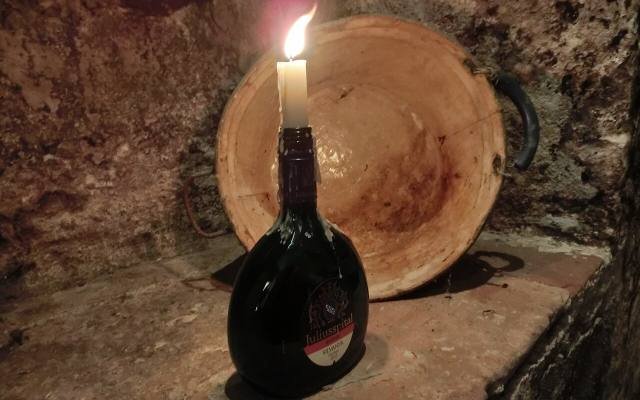 Wine tasting
Season: Year-round
 Walking tour
Season: Year-round
Nearby
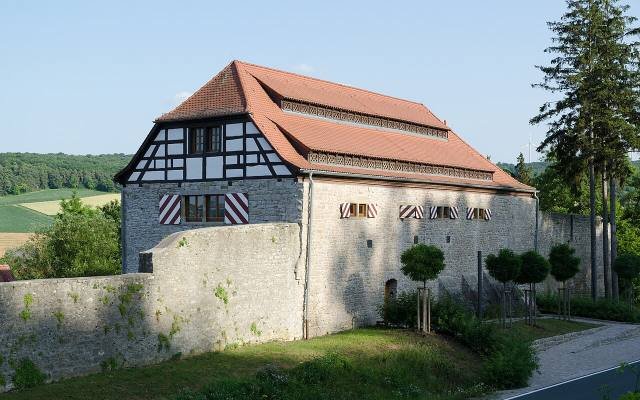 Town
Summer theatre and sundials
A little walled Franconian town 10 minutes upstream, with Brattenstein Castle, where a summer theatre festival is held, and dozens of sundials on its houses.
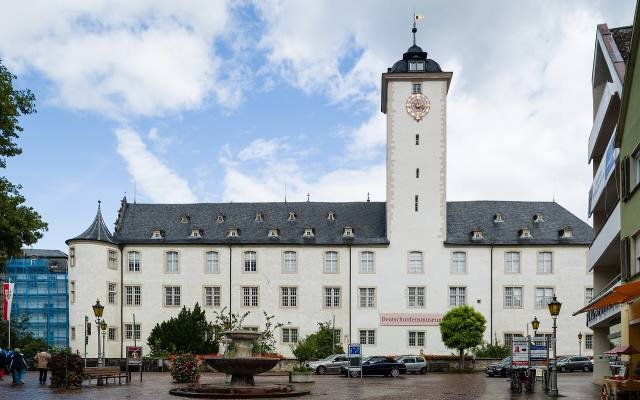 Spa town
Teutonic Knights and spa gardens
A spa town 15 minutes downstream, with the palace of the Teutonic Order and its museum, a lovely spa park, thermal baths and a wildlife park in the woods.
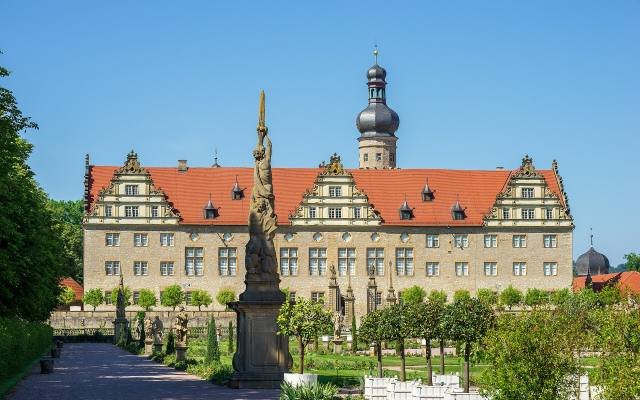 Palace
The Hohenlohe residence
The Renaissance palace of the Counts of Hohenlohe, with its spectacular Knights’ Hall, full of life-size animals, and princely rooms furnished in the 17th and 18th centuries.